Work Shoes Boots for Men Steel Toe Safety
Original price was: £60.99.£40.99Current price is: £40.99.
Shipped From United Kingdom
KEY FEATURES
1. Upper: genuine leather/action leather, thickness: 1.4-1.6mm.
2.Sole:PU/PU injection. Hardness of the upper sole: 50-55.Hardness of the down sole:60-65.
3.Llining:BK mesh(high resistance and breathable)
4. Insole: polyester fibre
5. Anti-slip: SRC
6. Steel toe cap: toe protection above 200 joules
7. Steel midsole: penetration resistant above 1100 newtons
8. Fuel resistant if the sole(FO)
9. Energy absorption in the heel area(E)
10. Safety level: S3 SRC
11.Certificate: EN ISO 20345:2011
Work Shoes Boots for Men Steel Toe Safety
Steel-toe safety boots classified under the S3 SRC designation represent one of the most robust categories within modern industrial footwear systems. Designed to mitigate multidimensional risks across engineering, logistics, construction, and heavy-industry environments, S3 SRC work shoes for men integrate structural reinforcement, hydrophobic membrane technologies, controlled energy absorption systems, and puncture-resistant underfoot layers that collectively address complex operational hazards. For procurement officers, site safety managers, and compliance specialists, understanding the technical architecture and regulatory context of men’s safety footwear is essential for aligning organisational risk-management protocols with current occupational safety standards.
This article examines the structural features, functional advantages, and compliance parameters associated with steel-toe safety boots designated under the S3 SRC classification, providing a detailed analytical framework suitable for decision-makers responsible for workplace safety governance.
Section 1: Structural and Material Features of S3 SRC Work Boots
The engineering principles behind protective work boots classified as S3 SRC revolve around multi-layered defensive components, mechanical resistance thresholds, and material durability metrics. The steel toe cap, which represents the primary element for withstanding compression, is constructed to withstand high-impact forces defined under EN ISO 20345 guidelines, typically resisting up to 200 joules of pressure. This steel component is integrated through precision-moulded encasement procedures that prevent cap displacement while maintaining internal dimensional stability.
Upper materials for S3 SRC work shoes commonly incorporate full-grain leather, microfibre composites, or hydrophobic synthetic layers engineered for prolonged exposure to moisture, abrasive particulates, or petroleum-derived contaminants. The hydrophobic treatment ensures that water absorption remains below regulatory thresholds, a requirement for S3 classification.
The midsole system typically consists of either stainless-steel anti-penetration plates or high-resilience textile composites capable of resisting a force of 1100 newtons or more. The choice between steel and composite plates influences electrical insulation, thermal conductivity, and ergonomic flexibility. For workplaces prioritising reduced thermal transfer or metal-free design, textile systems may offer procedural advantages without compromising resistance.
Outsoles engineered for SRC slip-resistance undergo dual-criterion testing on both ceramic and steel surfaces using sodium lauryl sulfate and glycerol solutions. These outsoles—often developed from dual-density polyurethane, rubber-nitrile compounds, or EVA-rubber hybrids—demonstrate controlled friction behaviour under variable load conditions. Their tread geometries feature multidirectional channels designed to expel contaminants while maintaining surface contact integrity.
Section 2: Functional and Operational Benefits in High-Risk Environments
The functional performance of men’s safety footwear classified as S3 SRC extends beyond basic protective thresholds and includes several operational advantages relevant to demanding industrial contexts. The integration of anti-static technology—achieved through conductive fibres or carbon-based compounds—reduces the accumulation of electrostatic charge, thereby supporting safety systems in environments with ignition-sensitive materials.
Energy absorption mechanisms embedded in the heel region minimise musculoskeletal strain during repetitive loading cycles. These mechanisms often consist of compression-modulated polyurethane layers formulated to maintain elasticity across extended wear periods, even when subjected to variable temperature gradients or persistent mechanical stress.
Hydrocarbon-resistant outsoles ensure structural stability when exposed to lubricants, solvents, diesel, or industrial oils. This characteristic is critical in sectors where fluid contaminants compromise traction, increasing the risk of fall-related incidents.
Furthermore, thermal insulation properties protect the wearer during contact with cold or heated surfaces. For operations occurring in outdoor settings or temperature-regulated environments, these attributes contribute to the sustainability of internal microclimate conditions within the boot.
The ergonomic architecture of steel-toe safety boots, including collar reinforcement, lateral support structures, and impact-dampening footbeds, provides stable biomechanical alignment, thereby reducing fatigue during extended shifts. While ergonomics are secondary to protection in compliance classification, they influence long-term productivity and adherence to personal protective equipment (PPE) policies.
Section 3: Compliance Standards and Regulatory Frameworks
S3 SRC work shoes fall under the broader umbrella of EN ISO 20345:2011 (or its updated equivalents), which outlines mechanical, chemical, and physical performance requirements. The “S3” classification is assigned only when footwear satisfies criteria that include a closed heel design, anti-static properties, energy absorption, water penetration resistance, and puncture-proof midsoles.
SRC, the highest slip-resistance rating, indicates that the footwear has passed both the SRA and SRB test protocols. These tests evaluate slip behaviour under lubricated conditions on ceramic tiles (SRA) and steel floors (SRB), using controlled laboratory conditions to simulate real-world hazard surfaces.
In addition to European standards, many industries align their procurement protocols with sector-specific guidelines. For example, construction environments often require Class S3 footwear due to the combination of abrasive surface contact, exposure to sharp materials, and variable weather. Manufacturing facilities may emphasise SRC certification to mitigate slip hazards associated with machine lubricants and production-floor contaminants.
Documentation associated with protective work boots must clearly identify testing results, material specifications, and certification numbers. Safety managers typically integrate this data into workplace risk assessments, ensuring that PPE selections align with hazard profiles defined during site evaluations.
Conclusion
Steel-toe safety boots classified under S3 SRC offer a highly engineered solution for workplaces that require multidimensional protection against mechanical, environmental, and chemical hazards. By combining reinforced structural components, hydrophobic materials, anti-penetration midsoles, and maximum slip-resistance qualifications, men’s safety footwear within this category supports robust compliance with occupational safety standards. Understanding the technical composition and regulatory significance of these protective work boots enables organisations to make informed decisions that align with safety governance frameworks and operational demands.
| Weight | N/A |
|---|---|
| Color | Black |
| Size | 41, 42 |
Related products
-
Men`s Shop
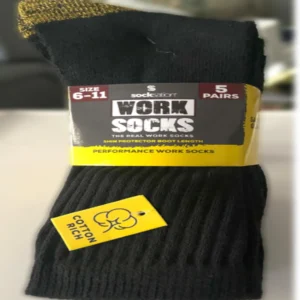
Men’s work socks are meticulously crafted for exceptional support
Original price was: £8.99.£5.99Current price is: £5.99. Add to cart -
Men`s Shop
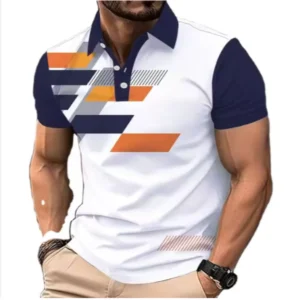
Polo Shirt – High-Quality Polo Golf Shirt
Original price was: £25.99.£20.99Current price is: £20.99. Select options This product has multiple variants. The options may be chosen on the product page